
How to Talk to Anyone: Mastering the Art of Effortless Conversation
This guide offers practical techniques to become confident, engaging, and effortlessly connect with others.
Lorem ipsum dolor sit amet, consectetur adipiscing elit. Ut elit tellus, luctus nec ullamcorper mattis, pulvinar dapibus leo.
TL;DR
Effective communication is a learnable skill that anyone can master.
By mastering nonverbal cues, matching energy, asking open-ended questions, actively listening, and showing empathy, you’ll create natural and meaningful connections.
The key is to practice regularly, be authentic, and adjust based on social cues.
Key Takeaways
- Nonverbal communication shapes first impressions: Your body language, eye contact, and genuine smiles tell people more about you than words alone.
- Match the mood and energy of others: Tune your vibe to theirs to create comfort and trust quickly.
- Use open-ended questions and active listening: These invite richer, more engaging conversations that keep flowing naturally.
- Elevate your speech but stay authentic: Avoid cliches and overly scripted lines; personalize your communication.
- Practice consistently and adapt: Build your confidence by interacting daily and adjusting your style to the social context.
Introduction

Good communication skills isn’t something you’re born with, it’s a skill anyone can learn.
Many of us feel nervous, worried about awkward silences, or don’t know how to start a conversation. But with some practice and helpful tips, you can become confident and easy to talk to.
Studies reveal that about 80% of what people think of you at that instant is shaped not by your words,
but by these unspoken signals:
- How you hold yourself
- Warmth in your gaze
- Openness of your presence.
Starting Conversations with Confidence
- Match the Mood and Energy;
Before you say a word, pay attention to how the other person looks and sounds. Notice their facial expression, their voice, and their body language. If they seem upbeat, greet them with similar energy.
If they’re quiet or thoughtful, approach gently and speak softly. By matching their mood even for just a moment, you make people feel instantly comfortable and understood. - Use Open-Ended Questions
Instead of yes or no questions, ask questions that invite a full answer. For example, try What brought you here today? or What did you enjoy most about your weekend? These encourage stories and details, making conversations richer and easier to keep going. - Entering Groups: Whoozat & Eavesdropping
Whoozat: If there’s a host or someone you know, ask them to introduce you to others. Just a quick intro can break the ice and make it easier to join a group.
Eavesdropping: If you’re standing near a conversation, listen for a topic you relate to. Wait for a natural pause and then say, “I couldn’t help overhearing you mentioned _; I’m interested in that too“. People are usually happy to include a polite, interested newcomer. - Managing and Embracing Silences:
Don’t panic when conversation slows down!
Silence can feel long, but it’s just a few seconds. Use the pause to shift the mood: compliment something, pay attention to your surroundings, or change topics gently (This is a great place, how did you find it?). Sometimes, silence gives space for a deeper or more interesting topic to emerge. - Make Active Listening Your Foundation:
Be fully present, maintain comfortable eye contact, put away distractions, and give the speaker your full attention. Show interest through simple nods, smiles, and leaning in slightly as they talk.
Also Read: 7 Steps to Improve Communication Skills in Customer Service!
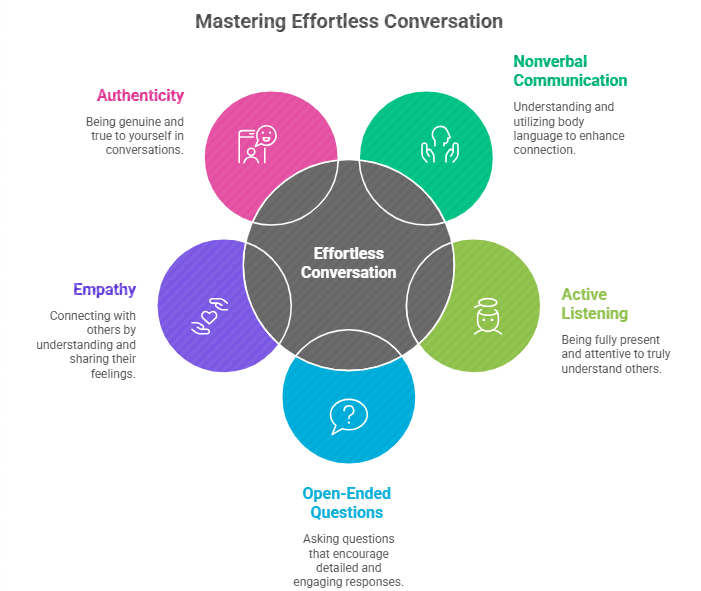
Effective Communication Techniques to Build Rapport
Learn how to keep conversations going…
- Use Parroting and Echoing Techniques
A powerful way to show you’re truly engaged is to repeat or paraphrase the last part of what the other person just said (So you really enjoyed that concert). This not only validates their experience but also encourages them to share more details. Echoing specific words or phrases helps create subtle rapport and shows genuine attention. - Speak in Vivid Images and Stories
People remember images and metaphors far better than plain statements. Use Potent Imaging by relating your point to something sensory or familiar (Working on this project was like building a house each step mattered). This paints pictures in the listeners mind, makes your points more memorable, and sparks richer conversations. - Empathize Using Their Sensory Language
Tune in to whether your partner uses words related to seeing, hearing, or feeling. Respond with matching language for visual people: I see what you mean; auditory: That rings true; kinesthetic: I get where you’re coming from. This subtle mirroring deepens connection and makes your empathy truly felt. - Keep the Conversation Flowing
If a topic seems to dry up or a lull appears, transition smoothly with:
“Speaking of travel, reminds me of my trip at Madrid, have you ever been to spain?”
Speak Like a Pro
Learn how to speak with authenticity, avoid clichs, handle tough conversations, and use inclusive language to connect with diverse audiences confidently.
1) Present Authenticity
project confidence by speaking from the heart and not trying too hard to impress. Instead of bragging or pushing an agenda, be genuinely interested in the conversation and the other person.
Steer clear of phrases meant to please everyone, and avoid over-complimenting people, especially those with status.
Instead, offer sincere, specific appreciation when it matters and let your personality shine.
Also Read : Beat Public Speaking Anxiety in 10 steps!
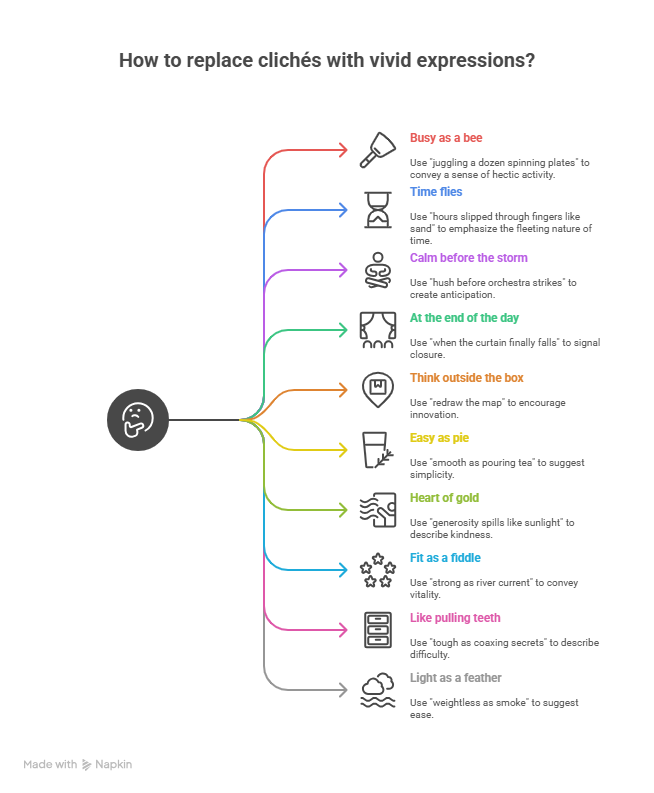
2) Avoid clichés
overused phrases can make you sound unoriginal or insincere.
Try adopting Leil Lowndes Jawsmith approach:
upgrade tired words with more vivid, thoughtful, or creative alternatives.
3) Handling Difficult Conversations
When someone keeps pressing you about a sensitive issue, politely but firmly repeat your answer in the same words and tone each time without getting emotional.
This calm, steady repetition (Broken Record technique) diffuses pressure and signals confident boundaries, all while remaining respectful.
4) Make Your Communication Inclusive and Culturally Sensitive
Choose words that welcome everyone and avoid language that could alienate or exclude.
Think about your listeners background, values, and perspective, be mindful and use language that bridges cultures, backgrounds, and identities.
Adapt to each situation by asking questions and listening closely for cues, ensuring all participants feel respected and valued.
Also Read: Improve Communication Skills for UPSC Interview Preparation!
Tips for Effective Communication
1) Practice Eyeball Selling
Pay close attention to people’s non-verbal cues, facial expressions, posture, and gestures during conversations.
Are they leaning in, smiling, or looking distracted? Use these signals to adjust your tone, pace, and approach, making your communication more compelling and tailored to your audience
2) Build Self-Worth to Boost Confidence
Your sense of self-value reflects in every conversation.
Practice self-care and reflection such as journaling or mindfulness to increase your confidence. When you feel secure, you can speak more openly and listen more fully, making conversations more genuine and pleasant for everyone involved.
3) Consistent Practice is Key
Communication skills improve with use.
Make it a habit to practice even in brief moments, like chatting with a neighbor or cashier. Each small conversation is an opportunity to build confidence, test techniques, and form positive habits that will pay off in more formal or high-stakes situations.
Also read : Office Small Talk: Boost Trust & Grow Your Career
Conclusion
By focusing on genuine interest, embracing the power of body language, mastering the flow of dialogue, and applying empathy, you can nurture meaningful relationships that enrich your personal and professional life.
Remember, building your social skills is a journey. The simple act of practicing whether chatting with a stranger, a colleague, or on a video call will help you create lasting impressions.
Embrace the process, be patient with yourself, and enjoy every interaction as a unique chance to connect.
Frequently Asked Questions

Makarand S is a content writer who focuses on importance of soft skills and job readiness. Through his articles, He identifies potential gap areas and demonstrates easy and practical ways to overome them. With a keen interest in Skill Development, Makarand explores the shift in job landscapes and strategies for continuous learning. His articles help readers in preparing for the rapidly evolving nature of work more
Submit the form we will reply within Next 24 hours


Develop Must-Have Skills To Navigate Workplace Challenges And Build Executive Presence
Explore Topics
- AI-Driven Skill Development (7)
- Communication Skills in Indian English (12)
- Confidence Building for Students (5)
- Entrance Test Updates (2)
- Government Job Mindset Training (4)
- Lifelong Learning for Indian Women (3)
- Personality Development for IT/BPO (7)
- Public Speaking in Hindi/Marathi (1)
- Rural Empowerment via Soft Skills (0)
- Soft Skills for Indian Careers (11)
- Strategic Thinking for Entrepreneurs (29)
- text (0)
- Uncategorized (2)