
Empowering Women’s Leadership in 2026
Studies in neuroscience and social psychology are uncovering what affects women’s leadership confidence and dreams.
Lorem ipsum dolor sit amet, consectetur adipiscing elit. Ut elit tellus, luctus nec ullamcorper mattis, pulvinar dapibus leo.
TL;DR
Women hold just 30% of senior leadership roles globally by 2026, facing barriers like stereotype threat and gendered mindsets. Neuroscience and social psychology offer insights into boosting womens leadership confidence. Empowering women through education, mentorship, and inclusive policies can close the leadership gap and foster diverse, effective leadership for a fairer future.
Key Takeaways
- Understanding the impact of neuroscience on women’s leadership confidence.
- The role of social psychology in shaping leadership aspirations.
- Strategies for cultivating effective women leaders.
- The importance of gender equality in leadership development.
- Empowering women through education and practical opportunities.
Introduction

By 2026, only 30% of top jobs will be held by women. This shows we need to work harder to get more women in leadership.
Looking into women’s leadership helps make workplaces better for everyone. By learning about women’s challenges and successes, companies can help women grow in their careers. For more on women’s leadership, check out UN Women.
This article dives into the many sides of women’s leadership. We’ll look at neuroscience, social science, and practical ways to help women lead well. By combining these areas, we can better understand how to support gender equality and help women develop their leadership skills.
What is the Leadership Gap?
Women hold fewer leadership roles than men globally. In India, for example, women are 51% of new hires but only 7% of top executives. This shows a big gender gap in corporate leadership.
Women are not seen enough in top jobs in business, politics, and education. This isn’t just about numbers. It shows deeper problems that stop women from getting ahead in their careers.
Gender stereotypes and what society expects affect how we see women leaders. Women struggle to be seen as both competent and likable. This is something men don’t usually face.
This quote speaks to the struggles women leaders face. They must deal with tough expectations while staying true to themselves.
Also Read: Emotional Intelligence in Leadership.
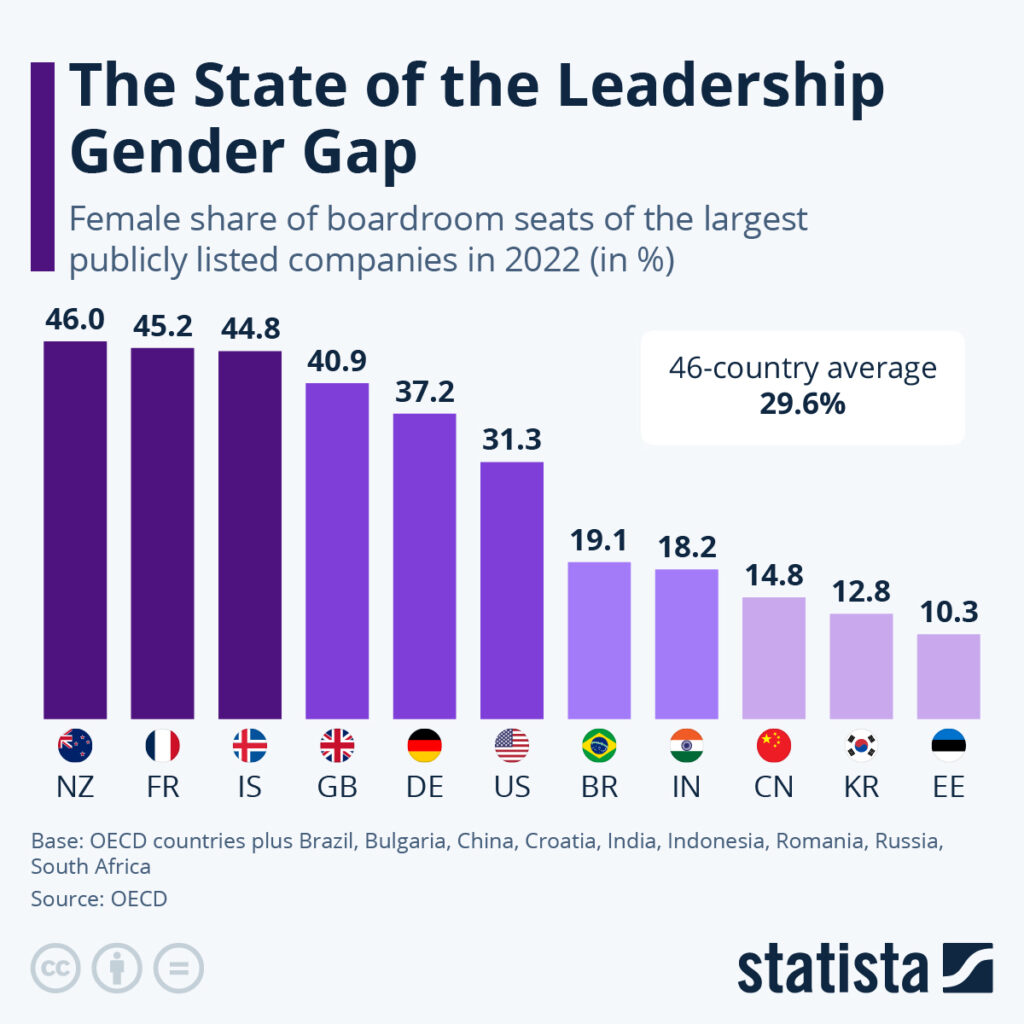
The Concept of ‘Gendered Mindsets’
“Gendered mindsets” are the ideas and biases we have about women in leadership. These mindsets can really affect women’s chances to reach the top.
To close the leadership gap, we need to improve women’s leadership skills. We must also challenge these gendered mindsets. This way, we can make a place for women in leadership.
As we go forward, we must understand the challenges faced by women leaders. We need to work together to close this gap. By pushing for gender equality and supporting women in business, we can make leadership more diverse and inclusive.
Neuroscience and Psychology of Women’s Leadership
Exploring the neuroscience and psychology of women’s leadership reveals the obstacles they face.
Fear, Stereotype Threat, and Hormonal Influences
Stereotype threat can greatly affect women’s leadership confidence. Stereotype threat happens when people feel anxious about confirming negative stereotypes about their group. This can lead to lower performance and confidence.
Studies show that reminding women of negative stereotypes about their leadership can increase anxiety. This anxiety can hurt their performance. This issue is closely related to emotional intelligence in leadership. It involves understanding and managing one’s emotions to lead well.
Cultural and Societal Influences
Cultural norms and work environments greatly affect women’s careers and leadership dreams.
Impact of Cultural Norms
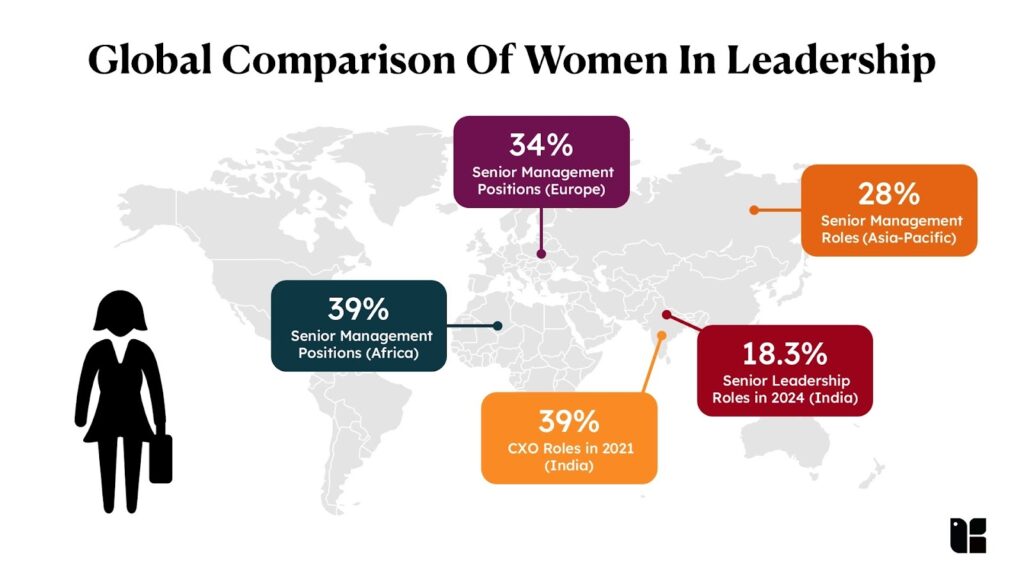
For example, Finland leads in gender equality, with almost 45% of leadership roles held by women. Saudi Arabia, however, has less than 12% women in leadership. This shows how culture affects women’s leadership.
Challenges Faced by Women Leaders
Women leaders face a big challenge: being seen as both assertive and likable. Studies show that assertive women are often seen as less likable. This creates a tough situation.
“Women have to work harder to be seen as competent, and even then, they are often not liked for it.” – Sheryl Sandberg
The “Lean In” Approach
Sheryl Sandberg’s “Lean In” movement tells women to take their place at the table. It encourages them to be bold and ambitious in their careers. This approach highlights the need for women to take charge of their professional growth.
- Being more assertive in meetings and discussions
- Seeking mentorship and sponsorship
- Building a support network of peers and allies
The Role of Men as Allies and Partners
Men are crucial in promoting gender equality in leadership. By being allies and partners, men can help create a more inclusive workplace. This means:
- Listening to and amplifying women’s voices
- Challenging gender stereotypes and biases
- Supporting policies that promote gender equality
This will make our workplaces more inclusive and fair.
Organizational Role in Supporting Women Leaders
Empowering women in leadership needs a team effort from organizations. This includes making policy changes, offering training, and creating programs that tackle the unique hurdles women face.
Pipeline Programs and Leadership Development
Organizations can make a big difference by setting up pipeline programs and leadership development plans. For example, KPMG has seen more women stay in leadership roles thanks to their structured programs, as shown in their 2026 report.
Flexible Policies and Bias Training
Creating flexible policies and offering bias training are key steps for supporting women leaders. Flexible work options help women manage work and life better. Bias training helps build a welcoming workplace culture.
A report by IMD.org shows that diversity and inclusion efforts boost women’s leadership. This highlights the need for organizations to support women’s growth in leadership.
Tailored Initiatives for Women’s Leadership
Companies are now seeing the worth of specific programs for women’s leadership growth. Offering mentorship, training, and networking chances helps women gain the skills and confidence for leadership.
Looking ahead, it’s clear that organizations play a vital role in backing women leaders. By using these strategies, companies can foster gender equality and enjoy the advantages of diverse and inclusive leadership.
Conclusion
We are hopeful about the future of women’s leadership by 2026. The progress we’ve seen shows the strength of working together. It highlights the need for ongoing support for women in leadership roles.
The future of women’s leadership is not just about more women in charge. It’s about building a culture that values and empowers them. We must keep challenging old stereotypes and biases. This will help create a space where women can succeed.
Also Read: 7 Skills Recruiters Are Actively Looking For!
Frequently Asked Questions

Makarand S is a content writer who focuses on importance of soft skills and job readiness. Through his articles, He identifies potential gap areas and demonstrates easy and practical ways to overome them. With a keen interest in Skill Development, Makarand explores the shift in job landscapes and strategies for continuous learning. His articles help readers in preparing for the rapidly evolving nature of work more
Submit the form we will reply within Next 24 hours


Develop Must-Have Skills To Navigate Workplace Challenges And Build Executive Presence
Explore Topics
- AI-Driven Skill Development (7)
- Communication Skills in Indian English (12)
- Confidence Building for Students (5)
- Entrance Test Updates (2)
- Government Job Mindset Training (4)
- Lifelong Learning for Indian Women (3)
- Personality Development for IT/BPO (7)
- Public Speaking in Hindi/Marathi (1)
- Rural Empowerment via Soft Skills (0)
- Soft Skills for Indian Careers (11)
- Strategic Thinking for Entrepreneurs (29)
- text (0)
- Uncategorized (2)