
7 Non-Academic Skills Recruiters Look for: And How to Build Them Quickly
Unlock your potential by mastering interpersonal skills, communication skills, leadership skills, and teamwork.
Introduction
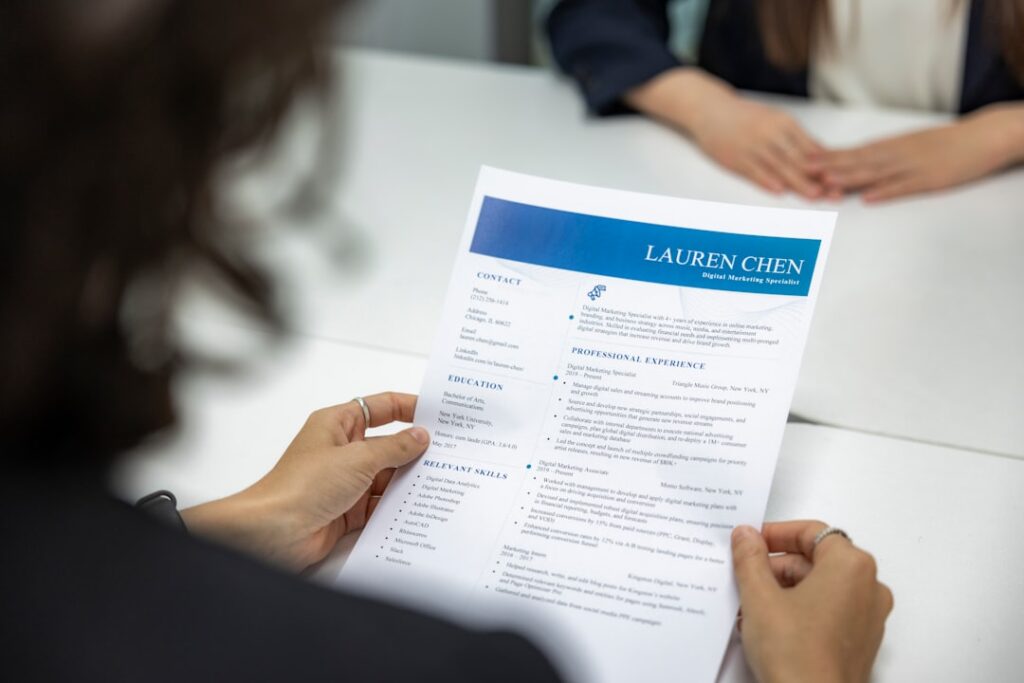
Want to stand out in India’s job market today? Recruiters now scan resumes for more than marks. They value seven non-academic skills that predict on‑the‑job impact.
This short guide shows what those skills look like in Mumbai offices, Bengaluru startups and hybrid teams in Hyderabad. You will see clear behaviours and measurable wins. The seven areas include communication, teamwork, leadership, emotional intelligence, adaptability, problem‑solving and time management.
How will this help you? Learn quick drills, weekly check‑ins and micro‑goals you can do alongside study or work. Use STAR stories for interviews. Tailor CV bullets to show results. Ask for one specific piece of feedback each week and apply it within 48 hours.
Action step: List the seven skills. Score each 1–5. Pick two to improve this month. Write one 10‑minute routine to start today.
Key Takeaways
- Recruiters prioritise seven non‑academic skills that drive results in 2025.
- Small daily practices build confidence and visible outcomes.
- Use STAR stories and numbers to show real impact.
- Seek focused feedback and apply it quickly.
- Track progress with a one‑page scorecard for behaviour and outcomes.
Why soft skills win in 2025 hiring!
Candidates who improve team outcomes beat candidates who only show technical scores. Recruiters look for behaviours that deliver faster results on day one. In hybrid offices from Bengaluru to Mumbai, those behaviours matter more than ever.
Also Read: The Difference Between Soft Skills and Hard Skills.
Data backs this. People spend 80–90% of their day communicating. Teams that communicate well can lift productivity by up to 25%. Leaders who practise active listening drive roughly 40% higher engagement. High engagement ties to about 21% greater profitability.
Practical wins are clear. Fewer clarifications. Cleaner hand‑offs. Faster decisions. Less conflict. These reduce delays in Pune ops and speed release cycles in Bengaluru tech teams.
- Hire for potential. Your non‑academic traits signal future impact.
- Show listening. Interviewers notice when you reflect and respond — it builds trust.
- Lead early. Short updates and proactive follow‑ups signal readiness for responsibility.
Action step: Pick one recent project. Write a five‑line outcome with metrics and one conflict you resolved. Practice it until you can say it in 60 seconds.
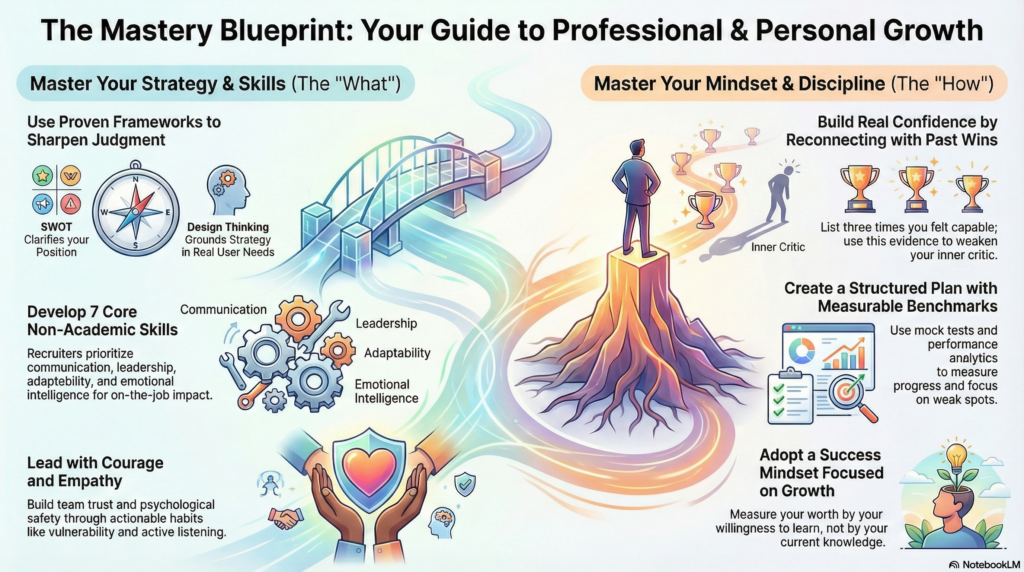
Top Workplace Skills
Map each essential trait to a concrete action you can show on your CV or in an interview. Start small. Pick one daily habit. Share one weekly proof with your manager.
What each trait looks like at work
- Communication: Clear speech, crisp emails, and good listening across office, hybrid and remote setups.
- Teamwork: Shared goals, defined roles and rituals that reduce hand‑offs and confusion.
- Leadership: Influence without authority. Set pace. Follow through.
- Emotional intelligence: Self‑control, empathy and calm in difficult situations.
- Adaptability: Reframe problems and switch tools or priorities fast.
How they interlock
Communication powers collaboration. Good listening surfaces real issues. Leadership amplifies emotional intelligence. Time discipline makes problem‑solving faster. Together they push projects from idea to delivery.
“Rate each trait 1–5. Note one proof for each score.”
Quick self‑check
- Score the seven areas 1–5.
- Write one example that proves each score.
- Ask a colleague for one blind spot and update monthly.
Action step: Choose two to improve this fortnight. List one daily habit and one weekly proof. For more structure on what recruiters want, see skills recruiters look for.
mastering verbal, listening, written, and non-verbal cues
Small changes in how you speak and listen can cut confusion and rework across remote teams. Start with one habit. Repeat it daily. You will see faster decisions and clearer outcomes.
Active listening techniques
Reflect key points back. Clarify assumptions before replying. Ask one focused question. This shows full attention and lowers the chance of rework.
Non‑verbal intelligence
Your body language, facial expressions and gestures add meaning. Face the camera on video. Keep open posture. Match tone to message so words and body do not contradict.
Clear written language
Write short lines. One idea per sentence. For emails put action in the subject. First line = context. Bullets = owners and deadlines. Close with the next step.
Remote‑friendly habits & barriers
Use video for complex topics. Use chat for quick updates with what, who, by when. Build feedback loops. End updates with “What did I miss?“ and “What worries you?”
- Reduce noise: pause notifications. Share context first.
- Check decoding: ask for a one‑line summary.
- Choose channels wisely: calls for nuance; messages for clarity.
Action step: Record a 90‑second update. Review your body, eye contact and expressions. Cut 20% of words while keeping meaning.
For evidence on what recruiters value beyond tech, see resilience and flexibility trends.
Building trust, handling conflicts, and delivering together
Small rituals and simple norms turn friction into predictable progress on every project. Start with a safe environment. Invite ideas from interns and new joiners. Thank people when they disagree. This protects voice and learning.
Create predictable check‑ins. Try a 10‑minute daily stand‑up. Run a weekly demo hour. Hold a 15‑minute retro monthly focused on process, not blame. Shared routines reduce confusion and raise productivity by as much as 25%.
Conflict resolution and negotiation
Catch conflict early. Name the issue. Map interests, not positions. Co‑create options and record the decision with an owner.
Negotiate with empathy. Separate people from the problem. Trade low‑cost, high‑value concessions to build trust and speed.
Collaboration rituals for distributed teams
- One backlog. One calendar. One decision log. Visibility cuts duplicated work.
- Hand‑off notes and a 24‑hour rule for critical updates across time zones.
- Ask quiet colleagues first in meetings. Read body language, gestures and facial expressions to widen input.
Action step: Run a 15‑minute retro this week. Ask three questions: What helped? What hurt? What will we try next sprint?
Also Read: What is Teamwork?
Leadership skills and emotional intelligence: influencing outcomes at any level
Also Read: Emotional Intelligence in Leadership.
A brief change in how you listen and respond can shift a whole team’s performance. Create an environment where people feel seen and know the next step.
Active listening as a leadership multiplier
Pause. Paraphrase. Probe. Leaders who practise active listening drive about 40% higher engagement. That matters in Mumbai product teams and hybrid groups in Bengaluru.
Empathy in action
Read context before reacting. Match your reply to pressures people face. Simple empathy reduces friction and boosts productivity.
Communicating vision clearly
Use one sentence, one number, one deadline. This framing builds alignment and avoids long explanations that confuse people.
Relationship-building and inclusion
Recognise effort. Credit contributors publicly. Invite voices from other cities and time zones. Small gestures create trust quickly.
Cultural intelligence for diverse teams
Adapt tone, pace and examples for local norms. Listen for local cues. Avoid assumptions. Cultural awareness makes your role more effective across India and global teams.
Action step: Before your next meeting write a 30‑second vision. Say it, then ask, “What is unclear?” and listen for two minutes.
Resolve issues early — frame problems as shared and protect relationships.
Intrapersonal Skills – Working with Yourself
Intrapersonal skills are about self-management and growth. They help you understand yourself better.
“Self-awareness is the ability to see yourself clearly – to understand how your thoughts, emotions, and actions align (or don’t align) with your intentions.”
Working on intrapersonal skills can make you better at making decisions and handling stress. Key intrapersonal skills are:
- Self-awareness: Knowing your strengths, weaknesses, and feelings.
- Self-regulation: Controlling your emotions and actions in different situations.
- Self-motivation: Pushing yourself to reach your goals and face challenges.
By improving both interpersonal and intrapersonal skills, you’ll do better at work and become more effective.
Adaptability and problem-solving: frameworks for fast-changing situations
When projects twist unexpectedly, clear frameworks help you move fast and keep control. Start by making diagnosis first. Then pick one small test. Deliver in short cycles. This reduces risk and shows progress.
Using STAR to demonstrate impact in interviews and appraisals
Use STAR to make impact visible. Put Situation and Task in one line. List three concrete actions. End with measurable results and stakeholder outcomes.
- Situation + Task: one sentence setting context for the project.
- Action: three brief bullets that show choices you made.
- Result: numbers, time saved or defects reduced. Say who benefited.
From ambiguity to action: diagnose, decide, deliver
Diagnose by asking: what is true, what is missing, what matters now. Choose one idea to test quickly.
Decide using criteria — time, cost, quality and user impact. Pick trade-offs that fit the team and the role.
Deliver in short cycles. Share clear messages: progress, risks and specific asks. Keep momentum even when scope shifts.
Action step: Write one STAR story for a recent project in six lines. Practice saying it in 45 seconds without notes.
Time management that recruiters notice: prioritisation, focus, and reliability
What separates reliable hires is not busyness but measurable, repeatable planning. Recruiters scan for people who make time visible. They want clear plans, realistic estimates and steady delivery.
Planning the week: high-impact tasks, boundaries, and realistic estimates
Plan your week in 15 minutes. Pick three high‑impact tasks. Block focus windows. Share the plan with your team.
Estimate realistically. Add buffer. Tell stakeholders about risks early. Offer options if a deadline shifts.
Reducing communication drag: meeting hygiene and async updates
Reduce meeting load. Decline with context. Send short emails or messages when a meeting is not needed.
Use a one‑page async brief. List status, blockers and asks. Tag colleagues for decisions. Close the loop the same day.
Signaling reliability on your CV and in conversations
Signal reliability with metrics. Write: “Delivered feature X two weeks early.” Or: “Reduced cycle time by 18% for a 3‑month project.” Add scope and constraints.
In interviews, explain prioritization under pressure. Name trade‑offs. Show outcomes. Recruiters value clear thinking and steady delivery.
Action step: Create a weekly template. Do a Monday plan, a midweek check and a Friday review with two tracked metrics.
Conclusion
Here is a compact action plan to show recruiters and colleagues measurable growth in days, not months.
Pick one of the seven areas. Practice it for two weeks with a 30‑minute weekly review. Use STAR to turn a small win into a neat job story you can share in interviews and at work.
Focus on behavior, not buzzwords. Show outcomes. Record one metric for each project or role. Share short updates. Set one ritual that makes collaboration and relationships visible in your environment.
Two minutes to plan. One minute to summarize. Thirty seconds to clarify. These small practices compound into strong interpersonal skills that help you communicate effectively and succeed today.
Action step: Book 30 minutes this week. Build your two‑skill plan, craft one STAR story, and choose one ritual to start on Monday.
Frequently Asked Questions

Makarand S is a content writer who focuses on importance of soft skills and job readiness. Through his articles, He identifies potential gap areas and demonstrates easy and practical ways to overome them. With a keen interest in Skill Development, Makarand explores the shift in job landscapes and strategies for continuous learning. His articles help readers in preparing for the rapidly evolving nature of work more
Submit the form we will reply within Next 24 hours


Develop Must-Have Skills To Navigate Workplace Challenges And Build Executive Presence
Explore Topics
- AI-Driven Skill Development (7)
- Communication Skills in Indian English (12)
- Confidence Building for Students (5)
- Entrance Test Updates (2)
- Government Job Mindset Training (4)
- Lifelong Learning for Indian Women (3)
- Personality Development for IT/BPO (7)
- Public Speaking in Hindi/Marathi (1)
- Soft Skills for Indian Careers (11)
- Strategic Thinking for Entrepreneurs (29)
- Uncategorized (2)