Agile Thinking for Dynamic Workplaces: A Guide
A guide on using Agile Methodology to make workplace teams more efficient.
Key Takeaways
- Agile workspaces designed for flexibility can significantly boost productivity.
- Growth mindsets are essential for effective team collaboration and innovation.
- Modern methodologies like SCRUM and Kanban offer unique advantages in project management.
- Learning Management Systems streamline development and enhance employee engagement.
- Variety in workspace designs fosters collaboration and adapts to different team needs.
- Emphasizing employee feedback can improve innovation practices and overall team success.
- Creating a safe environment for experimentation leads to greater adaptability and growth.
Introduction
In today’s fast world, we need to adapt, solve problems creatively, and work well together. By using agile thinking, teams can handle changes easily. This guide will show how agile project management can make teams strong in changing times.
We’ll look into agile methods like SCRUM, Kanban, and Lean Development. We’ll also talk about growing a mindset that values effort, learning, and trying new things. Plus, we’ll see how Learning Management Systems like CYPHER help teams grow and work together better.
Understanding Adaptive Thinking in the Modern Workplace
Companies that think on their feet do well in tough times. They stay ahead by being flexible and open, letting them handle changes well and stay competitive.
The Importance of Adaptability
Leaders who adapt help their teams grow. They lead by example and empower others, fostering a culture where innovation can thrive. By embracing change and encouraging their teams to do the same, they create an environment where new ideas are welcomed and explored.
Seeing change as ongoing helps improve overall performance. Companies that adapt well can handle complex situations better, turning potential obstacles into opportunities for growth. They’re ready to change when needed, understanding that flexibility is not just a response to external pressures but a proactive strategy for long-term success.
Example: Netflix’s Pivot to Streaming
Netflix’s move to streaming shows great adaptability and foresight. They started with DVD rentals but saw a new trend emerging in digital consumption. Recognizing the shift in consumer behavior, they changed to streaming and became leaders in the field, revolutionizing how audiences access content.
This shows how being flexible and innovative can lead to big wins. Netflix’s success inspires others in the entertainment world, demonstrating that those who embrace change can set new standards and redefine industries. Their strategic decisions highlight the importance of anticipating market trends and responding swiftly to maintain a competitive edge.
Also Read: Soft Skills vs Hard Skills in Project Management
Agile Thinking Methodologies for Dynamic Workplaces
Methods like SCRUM and Kanban help teams work well together. They make projects smaller and easier to change as needs shift.
Exploring SCRUM Framework
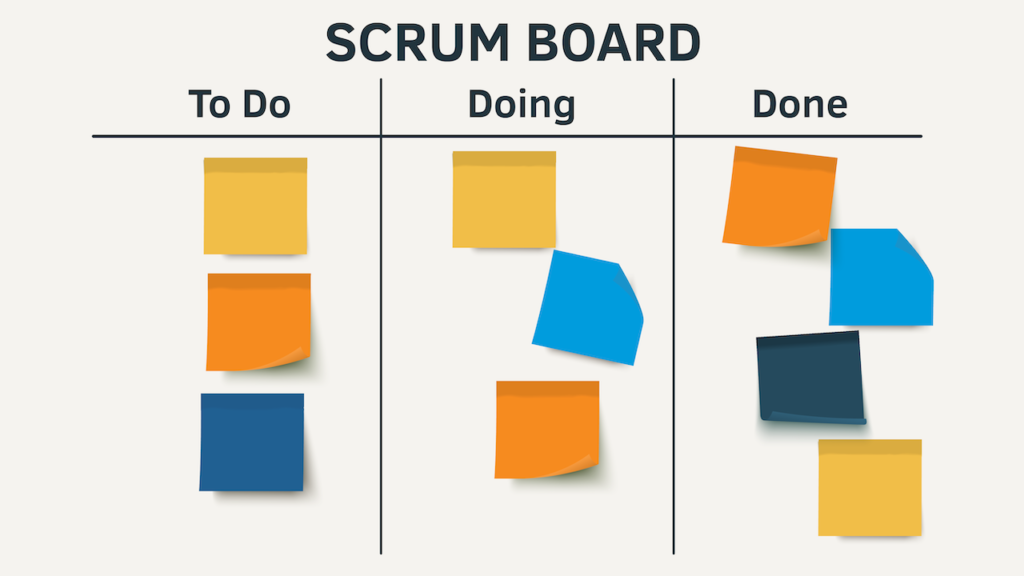
SCRUM focuses on working in small steps and getting feedback often. Teams work in sprints, which are time-boxed iterations that allow for regular assessment of progress and adjustments. This iterative approach emphasizes collaboration and communication among team members, ensuring that everyone is aligned with the project goals. It makes sure customers are happy and teams work well together by integrating their feedback into the development process.
Implementing Kanban for Workflow Efficiency
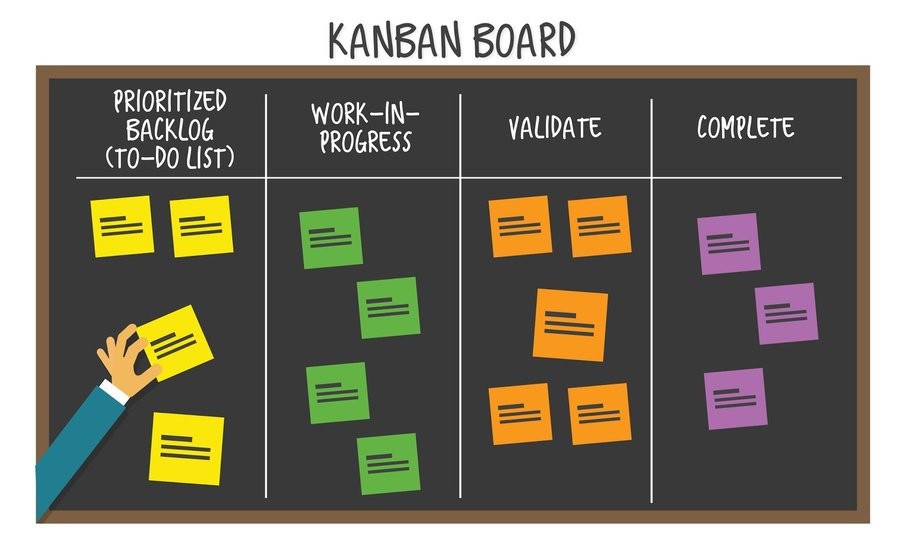
By visualizing the workflow, teams can identify bottlenecks and areas for improvement, allowing for more efficient task management. This visibility not only helps in prioritizing tasks but also enhances accountability among team members.
Kanban boards help teams see their tasks and manage work. It lets teams change fast based on feedback and new ideas. It helps teams keep learning and adapting. The flexibility of Kanban enables teams to implement changes swiftly, fostering an environment where continuous improvement is not just encouraged but expected. This adaptability is crucial in today’s fast-paced work environment, as it allows teams to respond effectively to shifting priorities and customer needs.
Innovative Solution Generation Methods
Design thinking is one method that puts people first. For example, Airbnb used design thinking to make their service better, which made users happier.
Using Design Thinking: The Airbnb Approach
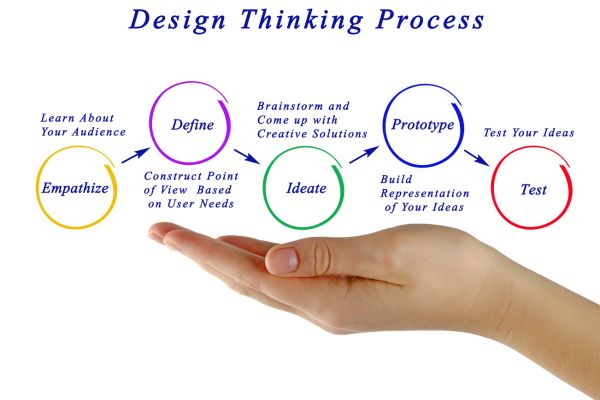
Design thinking is a way to really get to know what customers need.
It involves feeling with users, finding problems, coming up with ideas, making prototypes, and testing them. This iterative process allows teams to refine their solutions based on real user feedback. For example, by engaging with their customers through surveys and interviews, Airbnb can uncover hidden pain points and desires that might not be immediately obvious.
Airbnb keeps making their service better by listening to what users say. This way, they stay ahead of the competition. Moreover, by continuously adapting their offerings based on customer insights, they foster a culture of innovation that not only enhances user satisfaction but also builds long-term loyalty among their clientele.
Also Read: Design Thinking as a Skill and How It Helps in Marketing.
Importance of Customer Feedback in Innovation
Listening to what customers say is very important for making good products. For instance, brainstorming and the Nominal Group Technique help a lot. These methods help teams work together better, making them more creative and good at solving problems.
Collaborative Problem-Solving Strategies
In today’s fast world, working together is key for new ideas and getting things done fast. Google’s “20% time” is a great way to spark creativity at work. It lets employees spend 20% of their time on projects they love. This leads to many new ideas and big steps forward.
Google’s “20% Time” Innovation Model
Google’s 20% time, lets workers work on projects they care about, which fosters a sense of ownership and passion in their work.
This leads to cool things like Gmail and Google News, both of which started as side projects that employees pursued during their free time. It shows how important it is to think outside the box and explore new ideas, as this freedom encourages creativity and innovation. By allowing employees to dedicate time to their interests, companies can tap into a wellspring of unique insights and breakthroughs that may not emerge in a traditional work environment.
Also Read: Mastering Problem-Solving Skills: Essential Techniques for Success in 2025!

Makarand S is a content writer who focuses on importance of soft skills and job readiness. Through his articles, He identifies potential gap areas and demonstrates easy and practical ways to overome them. With a keen interest in Skill Development, Makarand explores the shift in job landscapes and strategies for continuous learning. His articles help readers in preparing for the rapidly evolving nature of work more
Submit the form we will reply within Next 24 hours


Develop Must-Have Skills To Navigate Workplace Challenges And Build Executive Presence
Explore Topics
- AI-Driven Skill Development (7)
- Communication Skills in Indian English (12)
- Confidence Building for Students (5)
- Entrance Test Updates (2)
- Government Job Mindset Training (4)
- Lifelong Learning for Indian Women (3)
- Personality Development for IT/BPO (7)
- Public Speaking in Hindi/Marathi (1)
- Soft Skills for Indian Careers (11)
- Strategic Thinking for Entrepreneurs (29)
- Uncategorized (2)