
How to Crack IELTS Without Coaching
Crack IELTS without coaching: Learn how to achieve a high IELTS score through self-study with the right strategy and resources.
Introduction

Many people ask if it’s possible to get a good IELTS score by themselves. The answer is yes. With the right plan and resources, you can do well in the test without spending a lot on coaching.
Most people study at home. They use free materials, official guides, and mock tests from IELTS IDP. Knowing the test well and having a study plan are key to success.
By getting better at each part and using free resources, you can reach a Band 7+ score. You can do it on your own terms.
Not Sure which test is right for you?
Read the following article.
Key Takeaways
- Understand the IELTS test format thoroughly.
- Create a structured study plan tailored to your needs.
- Utilise free resources and official guides for preparation.
- Practice with mock tests to assess your progress.
- Focus on improving your weak areas.
Can I really crack IELTS without spending on coaching?
Many wonder if it’s possible to pass IELTS without paying for coaching. The answer is yes, if you have a solid plan and the right tools.
To get a high score without coaching, you need a clear study plan. You must know the exam format, use the best study materials, and keep practicing. There are many free and reliable resources online to help you prepare without breaking the bank.
Begin by checking out https://ieltsidpindia.com/prepare/ielts-preparation-material for top IELTS prep materials. It’s key to understand the exam’s listening, reading, writing, and speaking parts. By focusing on your weak spots and using real materials, you can boost your score.
Remember to stay motivated and disciplined while studying. With the right attitude and resources, you can beat IELTS challenges without coaching.
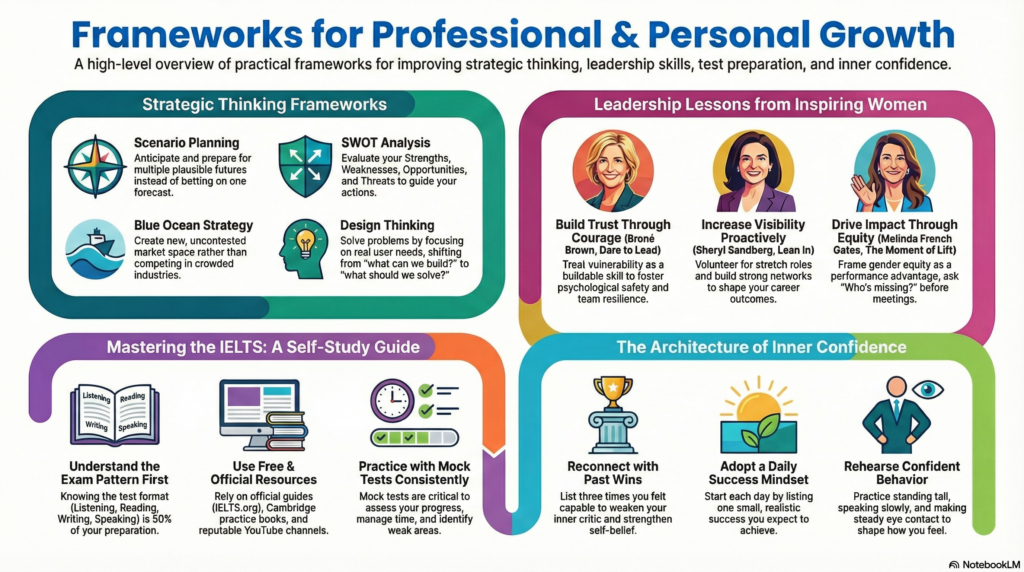
Understand the IELTS Format
To pass the IELTS exam, you need to know more than just English. You must understand its format. The IELTS test checks your English skills in four areas: Listening, Reading, Writing, and Speaking.
Listening, Reading, Writing, Speaking – Explain in One Line Each
The Listening section tests your ability to understand different accents and find important information.
The Reading section checks how well you can understand texts and find key points.
The Writing section looks at your ability to write clear, coherent arguments.
The Speaking section evaluates your spoken English, including how fluently and clearly you speak.
Why Understanding the Exam Pattern is 50% of Preparation
Knowing the IELTS exam pattern is key to good preparation. It boosts your confidence and helps you manage your time. For example, knowing the question types and format helps you prepare strategically.
Start by visiting https://prep.yocket.com/ielts/prepare-for-ielts-at-home for free resources and practice materials.
Understanding the exam pattern lets you know your strengths and weaknesses. This way, you can focus on improving where you need to. This targeted approach can greatly improve your results.
Also Visit : IELTS
Build a Self-Study Strategy
Preparing for IELTS on your own is possible with the right tools and plan. You need to find the best study materials and make a clear plan. This will help you reach your score target.
Also Read : IELTS vs TOEFL vs Duolingo: Which English Test Should You Take?
Start With the Right Resources (Free & Reliable)
It’s key to start with the best resources for IELTS prep. Here are some free and reliable materials to kick off your journey:
- Official IELTS.org: This site has sample questions and band descriptors. It helps you understand the exam and check your progress.
- Cambridge IELTS Books (1–18 series): These books are top-notch for practice. They offer real exam materials and detailed explanations to boost your skills.
- YouTube Channels: Channels like IELTS Liz, E2 IELTS, and IELTS Advantage share tips and strategies to improve your prep.
Using these resources, you can craft a detailed study plan. Effective self-study means studying smart, not just hard.
It’s important to know how to use these resources well. For example, Official IELTS.org’s sample questions can show your current level and what to work on. Cambridge IELTS Books provide real exam practice.
Tips for Using These Resources
- First, get to know the exam format with Official IELTS.org’s resources.
- Then, practice with Cambridge IELTS Books to get used to the exam style and types of questions.
- Also, watch YouTube channels for extra tips and strategies.
By following these steps and using the right resources, you can create a strong self-study plan. This will help you meet your IELTS goals.
Skill-Wise Preparation Tips
To get a high IELTS score, focus on each skill tested in the exam. This is key to success.
Also Read : Test Prep
Listening – Train Your Ears for Accents & Speed
Boost your IELTS listening skills by practicing with different accents and speeds. Try listening to BBC News, TED Talks, and The Guardian Podcasts.
Here’s a way to get better at listening:
- Listen to a recording once without pausing and jot down key words.
- Listen again, focusing on details you missed.
An IELTS listening practice tip is to read questions before the recording starts. This helps you guess answers.
Speaking – Enhance Fluency and Pronunciation
For IELTS speaking, practice is essential. Work on common IELTS speaking topics like education, environment, and technology. You can find lots of practice materials online, including YouTube videos and mobile apps.
To boost your fluency:
- Speak on a topic for 2 minutes without stopping.
- Record yourself and listen to find areas to improve.
Free & Low-Cost Alternatives to Coaching
You don’t have to spend a lot to get ready for IELTS. There are many free and low-cost ways to study. With some research, you can find great study materials and support. This will help you reach your score goals without the cost of traditional coaching.
Online Practice Platforms
Online practice platforms are a great way to prepare for IELTS. They offer study materials, practice tests, and tips to boost your score. Here are some top picks:
- British Council’s free mock tests, which give a real test feel.
- IELTS Liz’s YouTube lessons, with step-by-step strategies and tips.
- Magoosh’s free content, including practice questions and video lessons.
Using these resources can help you get used to the test format and find areas to improve.
Community Learning
Online communities are another great way to get ready for IELTS. You can meet other test-takers, share tips, and get support through:
- Reddit IELTS forums, for discussing your prep and getting feedback.
- Quora discussions, where you can ask questions and get answers from experts.
- Telegram study groups, for teamwork and motivation.
As “the power of community can greatly improve your learning”, make sure to join these groups. For more help and resources, check out https://www.mim-essay.com/ielts-preparation to help with your IELTS prep.
Common Mistakes to Avoid in Self-Study
Studying for IELTS on your own can be tough if you don’t know the common traps. Many people make mistakes that can really hurt their score. Knowing these mistakes helps you prepare better and get a higher score.
Over-focusing on Grammar Instead of Fluency
Grammar is important, but too much focus on it can stop you from speaking smoothly. IELTS examiners want to see you use English well, not just right. Work on speaking and writing to share your thoughts clearly and well.
Ignoring Mock Tests
Mock tests are key to checking if you’re ready and finding what you need to work on. Taking IELTS practice tests often helps you get used to the exam and manage your time better.
Memorizing Instead of Practicing
Just memorizing answers or essays is not a good strategy. It’s practice that really boosts your IELTS score. Get involved with the material, try different question types, and come up with your own answers.
Neglecting Listening and Speaking Balance
It’s important to balance your IELTS prep. Make sure you spend enough time on listening and speaking. Listening to different accents and speaking with various people will make you better.
Avoiding these common errors can greatly improve your IELTS self-study. Aim for a well-rounded prep plan. Include regular practice, balanced skill work, and smart use of resources.
Conclusion
Consistency is key to getting the IELTS score you want. By sticking to a study plan and using the right materials, you can do well without a coach. Understanding the exam and planning your study are the first steps to success.
With the right mindset and tools, you can boost your IELTS score and reach your goals. Look into GDX.in’s IELTS DIY package. It’s a detailed, self-paced study guide that can help you hit your target score.
Practical Steps to Success
To score a Band 7+, practice regularly and review your work. Use official study materials and take mock tests to check your progress. IES Portal has lots of tips and resources to help you prepare for IELTS at home.
Frequently Asked Questions

Makarand S is a content writer who focuses on importance of soft skills and job readiness. Through his articles, He identifies potential gap areas and demonstrates easy and practical ways to overome them. With a keen interest in Skill Development, Makarand explores the shift in job landscapes and strategies for continuous learning. His articles help readers in preparing for the rapidly evolving nature of work more
Submit the form we will reply within Next 24 hours


Develop Must-Have Skills To Navigate Workplace Challenges And Build Executive Presence
Explore Topics
- AI-Driven Skill Development (7)
- Communication Skills in Indian English (12)
- Confidence Building for Students (5)
- Entrance Test Updates (2)
- Government Job Mindset Training (4)
- Lifelong Learning for Indian Women (3)
- Personality Development for IT/BPO (7)
- Public Speaking in Hindi/Marathi (1)
- Soft Skills for Indian Careers (11)
- Strategic Thinking for Entrepreneurs (29)
- Uncategorized (2)