
How to Be Your Authentic Self
Being your authentic self makes your life more fulfilling and helps you connect deeper with others.
Lorem ipsum dolor sit amet, consectetur adipiscing elit. Ut elit tellus, luctus nec ullamcorper mattis, pulvinar dapibus leo.
TL;DR
Being your authentic self means aligning your thoughts, emotions, values, and actions to live genuinely. Authenticity fosters mental well-being, resilience, and meaningful relationships. Cultivating self-awareness, emotional honesty, and courage helps overcome societal pressures and internal doubts. Embracing authenticity is a lifelong journey of growth that deepens connections, enhances purpose, and drives fulfilling, purposeful living.
Key Takeaways
- Cultivate self-awareness to understand your values and emotions
- Embracing your true self leads to a more meaningful life
- Authenticity is key to psychological well-being and resilience
- Being authentic fosters deeper connections with others
- Practise self-acceptance and vulnerability to grow
Introduction

An authentic personality means being true to yourself. It’s about matching your inner self with how you show the world. This means being honest with your values, feelings, and thoughts.
Authenticity is essential for mental health. Being true to oneself leads to less stress, anxiety, and more happiness. It builds personal integrity and emotional honesty.
In this article, We’ll look at the traits of an authentic person and how to be more authentic every day. Understanding authenticity can help you embrace your true self and live a more purposeful life.
What is Being Authentic?
Being authentic means being true to oneself. This truth is shown in how we act and speak. We’ll look at why being authentic is important for our mental health.
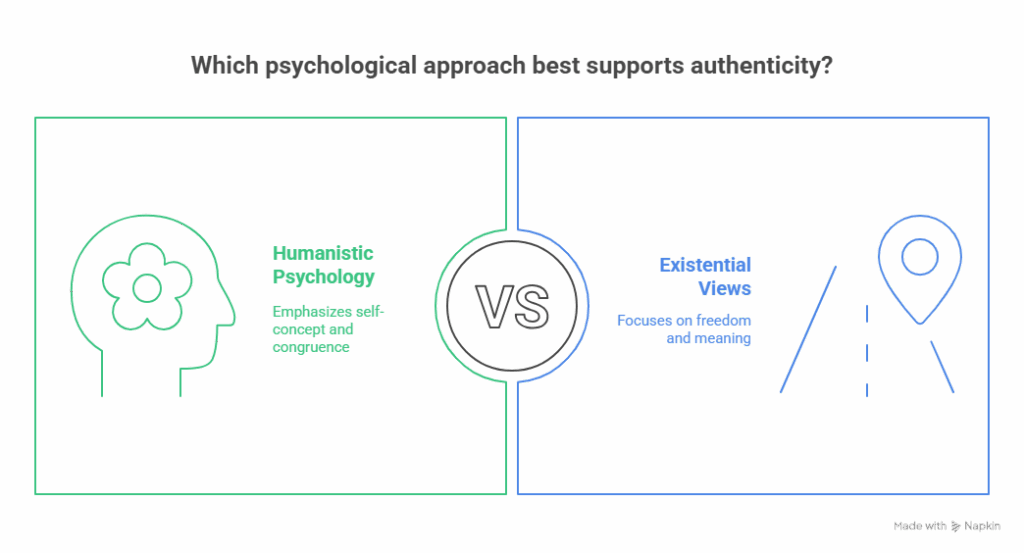
Carl Rogers, a humanistic psychologist, believed in the importance of congruence. He said that when our self-concept matches our experiences, we feel whole. This reduces inner conflict.
Humanistic psychology and existential views are among the most influential. Humanistic psychology focuses on being true to oneself and reaching one’s full human capacity. Existential views emphasize the freedom to choose and create our own meaning in life.
These theories help us understand what it means to be authentic. They show the value of being true to oneself and living by one’s values and beliefs.
Also Read : 6 Steps to Boost Your Confidence and Unlock Your Potential
Psychological and Neuroscientific Perspectives
Looking into psychology and neuroscience, we find that authenticity leads to a better life. It shows us how these fields help us understand authenticity’s role in our mental health and happiness.
Cognitive flexibility helps us change our self-view as we face new things. It’s important for staying true to ourselves. It lets us add new insights to our self-image.
Studies show that authentic actions use certain brain parts. These parts help us think about ourselves and manage our feelings. Authentic behavior makes the prefrontal cortex work more, which is key for making decisions.
Being authentic changes our brain and behavior in good ways. It makes us feel better emotionally and helps our relationships.
Characteristics of an Authentic Person
Authenticity has several important traits. These traits help people live a genuine and fulfilling life.
Authenticity is built on core traits. These include genuineness, being true without pretences; integrity, doing what you believe in; transparency, being open and honest; and self-trust, trusting your own judgment.
An individual with integrity sticks to their principles, even when it’s hard. Someone with self-trust makes decisions based on their inner voice, not others.
- Non-Reliance on External Validation:
Authentic people don’t rely on others for their self-worth. They find confidence and self-acceptance within. This doesn’t mean they ignore feedback; they just don’t need constant approval. - Being Open and Non-Judgmental
Being open and non-judgmental is another trait of authentic individuals. It means being open to new experiences and views without judging them right away.
This attitude helps with personal growth and building strong relationships.
Also Read : How to Stop Comparing and Start Owning Your Journey: 5 Simple Steps for Self-Worth
Barriers and Misconceptions about being Authentic
Living authentically comes with its own set of challenges. Social pressures and our own doubts can make it hard to be ourselves. We often struggle between staying true to ourselves and fitting in with society
Social Pressures and Stereotypes
Social norms and stereotypes can block our path to authenticity. We’re often pushed to fit into certain roles or act in specific ways. This can make us hide our real selves.
For example, society’s expectations about our careers or personal lives can cause inner turmoil. This can lead to wearing a social mask. We hide our true feelings and thoughts behind a mask that society approves of. This can make us feel disconnected and fake.
Internal Conflicts and Self-Doubt
Our own doubts and inner struggles can also stop us from being authentic. When we struggle to accept ourselves, it’s hard to be genuine. These doubts can come from past experiences, fear of being rejected, or fear of not meeting others’ expectations.
It’s important to remember that these inner battles are part of the journey to being true to ourselves. By facing and working through these doubts, we can get closer to being our real selves.
Distinction Between Superficial Honesty and Deep Authenticity
For instance, saying “I’m fine” when you’re not, is superficial honesty. But being deeply authentic means sharing your true feelings in a way that’s respectful and fitting.
By understanding these barriers and misconceptions, we can work to overcome them. This journey requires courage, self-awareness, and a readiness to be open and vulnerable.
How to be Authentic in Daily Life?
Being authentic means following key practices to keep our identity coherence and self-disclosure strong. It’s a journey that asks for dedication and openness.
Mindfulness, Journaling, and Value Clarification Exercises
Journaling is also a great tool. It lets us think about our experiences and feelings. Writing down our thoughts helps us understand our values and beliefs better. Value clarification exercises help us see what’s important to us and act on it.
Vulnerability and Courage in Self-Expression
Being vulnerable is key to authenticity. It takes courage to be honest, even when we might face criticism. But, it’s through vulnerability that we form deeper connections.
How to be Authentic in a Relationship?
Being authentic helps us build strong relationships and lead with inspiration. It means being true to ourselves and sharing that truth with others.
Building Trust and Meaningful Connections
When we’re real, people see us as trustworthy and dependable. This is because being authentic boosts emotional intelligence, helping us meet others’ needs well.
Being open and honest also makes our relationships stronger. It lets us be vulnerable, which is vital for forming close bonds. This openness leads to better understanding and empathy among people.
Authentic Leadership Styles and Effectiveness
Authentic leaders guide with purpose, values, and honesty. Authentic leaders earn trust and drive their teams by staying true to themselves and their goals. They are self-aware, open, and ready to take risks.
Studies link authentic leadership style to better team performance, happier employees, and less turnover. Authentic leaders create spaces where creativity, innovation, and teamwork thrive.
Try Reading : The Art of Slowing Down
Conclusion
Being authentic is a journey, not a fixed point. It’s about always finding out who we truly are and staying true to ourselves. This means understanding our values, feelings, and actions better.
As we seek authenticity, we must be ready to grow and change. This means accepting our full selves and being open. It leads to stronger connections and better leadership.
We urge you to keep going on this path. Embrace your real self and live authentically. This way, you’ll find more joy in life and help make the world a more genuine place.
Arthsetu’s Personality Development Course
Arthsetu’s Personality Development Course is crafted today and embark on a transformative journey to boost your confidence, enhance self-awareness, and master interpersonal skills. Whether youre a student or professional, this course equips you with the tools to express yourself authentically and connect powerfully.
Dont wait! book your FREE consultation now!
Key Features Include:
- Setting Meaningful Goals
- Cultivating a Positive Mindset
- Mastering Time Management
- Developing Self-Discipline and Willpower
- Building Resilience and Dealing with Failure

Makarand S is a content writer who focuses on importance of soft skills and job readiness. Through his articles, He identifies potential gap areas and demonstrates easy and practical ways to overome them. With a keen interest in Skill Development, Makarand explores the shift in job landscapes and strategies for continuous learning. His articles help readers in preparing for the rapidly evolving nature of work more
Submit the form we will reply within Next 24 hours


Develop Must-Have Skills To Navigate Workplace Challenges And Build Executive Presence
Explore Topics
- AI-Driven Skill Development (7)
- Communication Skills in Indian English (12)
- Confidence Building for Students (5)
- Entrance Test Updates (2)
- Government Job Mindset Training (4)
- Lifelong Learning for Indian Women (3)
- Personality Development for IT/BPO (7)
- Public Speaking in Hindi/Marathi (1)
- Rural Empowerment via Soft Skills (0)
- Soft Skills for Indian Careers (11)
- Strategic Thinking for Entrepreneurs (29)
- text (0)
- Uncategorized (2)